When Some Team Members Hold Back (even with a great boss)
When a team member holds back, disengagement isn’t always the explanation. Self-doubt, past experiences, vulnerability or uncertainty can all influence how someone participates at work. A coaching approach encourages leaders to look beneath the behaviour, replace assumptions with curiosity and create the conditions for more honest conversations and connection.
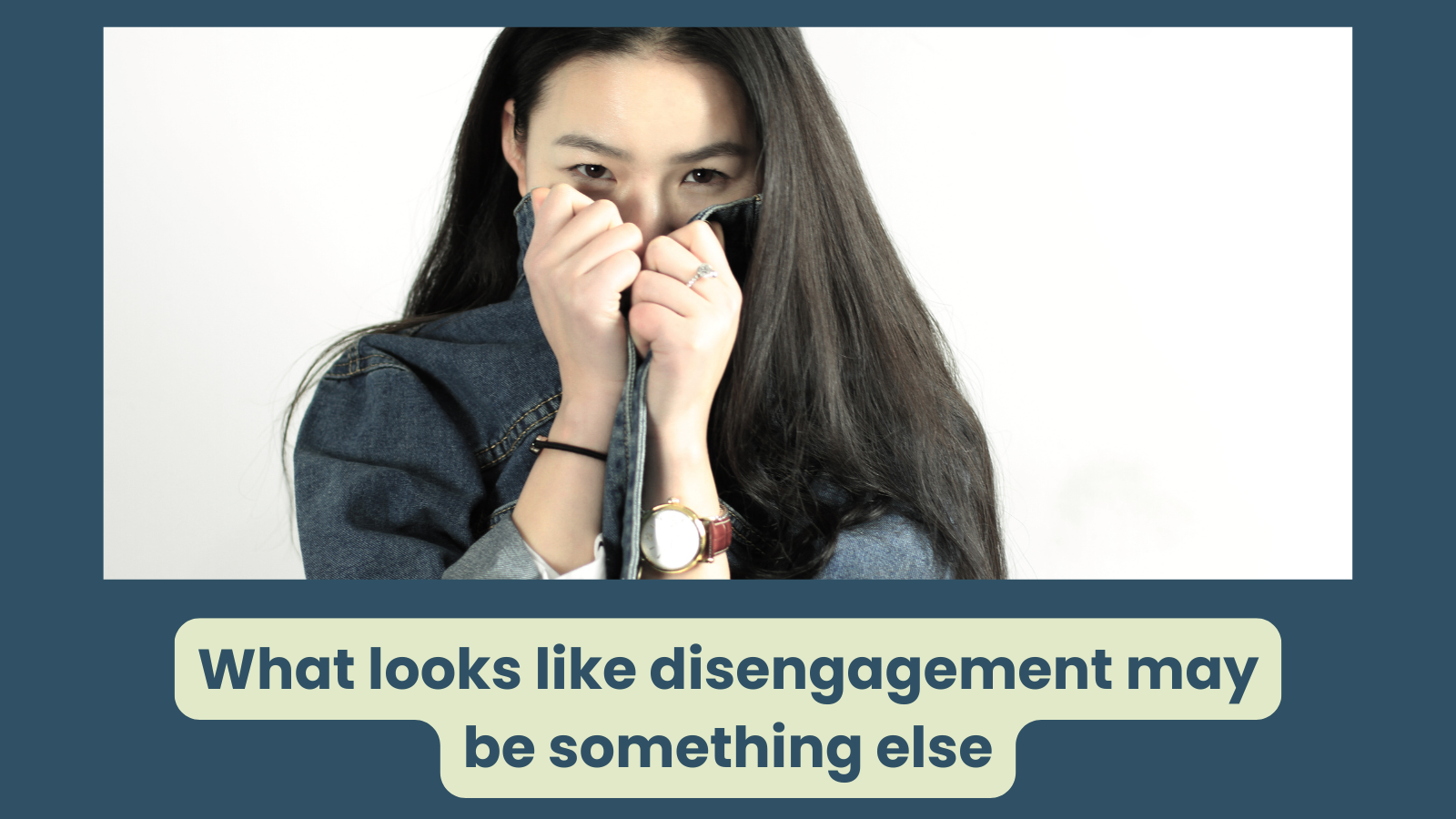
When someone holds back, curiosity can reveal what performance conversations alone may miss.
Some of the best leaders I’ve worked with already do a lot right.
They listen; check in; make space for their people - not just as performers, but as humans.
They lead with empathy, not ego.
And still…
There’s sometimes that one person.
Not openly disengaged, but not fully in.
Not disruptive, but not quite contributing either.
Still showing up — but holding back.
If you’ve ever worked with someone like that (or been someone like that), you’ll know it’s not always about the job. Sometimes, it’s something deeper.
What’s Really Going On?
When someone appears to withdraw - subtly, quietly - it’s easy to assume they’re checked out. But often, they’re not resisting on purpose.
They might be:
Navigating self-doubt
Reacting to an old experience they haven’t named
Feeling vulnerable but not safe enough to say so
Unsure how to reconnect without calling attention to it
And that’s the tricky part - because performance conversations won’t get you there. And a team lunch, while lovely, won’t unlock what’s really happening.
This Is Where Coaching Culture Steps In
Not coaching as a formal session.
Not another “development plan.”
But coaching as a way of relating.
A way of leading that creates space for reflection, insight, and honest connection.
Where we stop trying to fix or motivate, and instead get curious:
What really matters to this person?
What’s holding them back?
What are they not saying — and do they feel safe enough to say it?
Tools That Help Get There
This is one reason I use the PRINT® profiling tool in my work with leaders and teams.
It helps lift the lid on what drives people — not just their strengths, but their motivators. Including the tough stuff, like:
Fear of being exposed
Avoidance of public speaking
Sensitivity to feedback
Discomfort in high-stakes conversations
When leaders understand these unconscious drivers, something shifts.
They stop managing performance.
They start understanding people.
And that’s when things open up.
When People Feel Seen, They Step In
This isn’t about forced motivation or pushing harder.
It’s about making space for someone to feel seen — not evaluated.
To feel understood — not managed.
When that happens, effort isn’t forced. It’s voluntary.
And culture stops being a poster on the wall — it becomes a lived experience.
Final Thought:
If you’ve got a team member who’s holding back, and you’ve tried everything you know…
Try a different conversation.
Try curiosity over correction.
Try seeing what might be beneath the behaviour.
Because sometimes, what looks like disengagement…
…is just someone waiting to be understood.
Key Takeaways
Holding back at work doesn’t necessarily mean someone is disengaged or unmotivated.
Self-doubt, vulnerability, previous experiences and concerns about speaking up can influence how people participate.
Performance conversations alone may not uncover what is driving someone’s behaviour.
A coaching culture encourages leaders to ask questions, listen and seek understanding before trying to fix the problem.
Profiling tools can provide another perspective on the motivations and concerns influencing behaviour.
Creating an environment where people feel seen, understood and safe to contribute can encourage greater participation and connection.