Motivation at Work: Why One-Size Leadership Doesn’t Fit All
What motivates one team member may have little effect on another. Effective leadership means understanding the individual drivers, working styles and needs behind people’s behaviour — then adapting your approach to help them perform at their best. Sometimes the biggest shift isn’t asking an employee to change, but changing how you lead them.
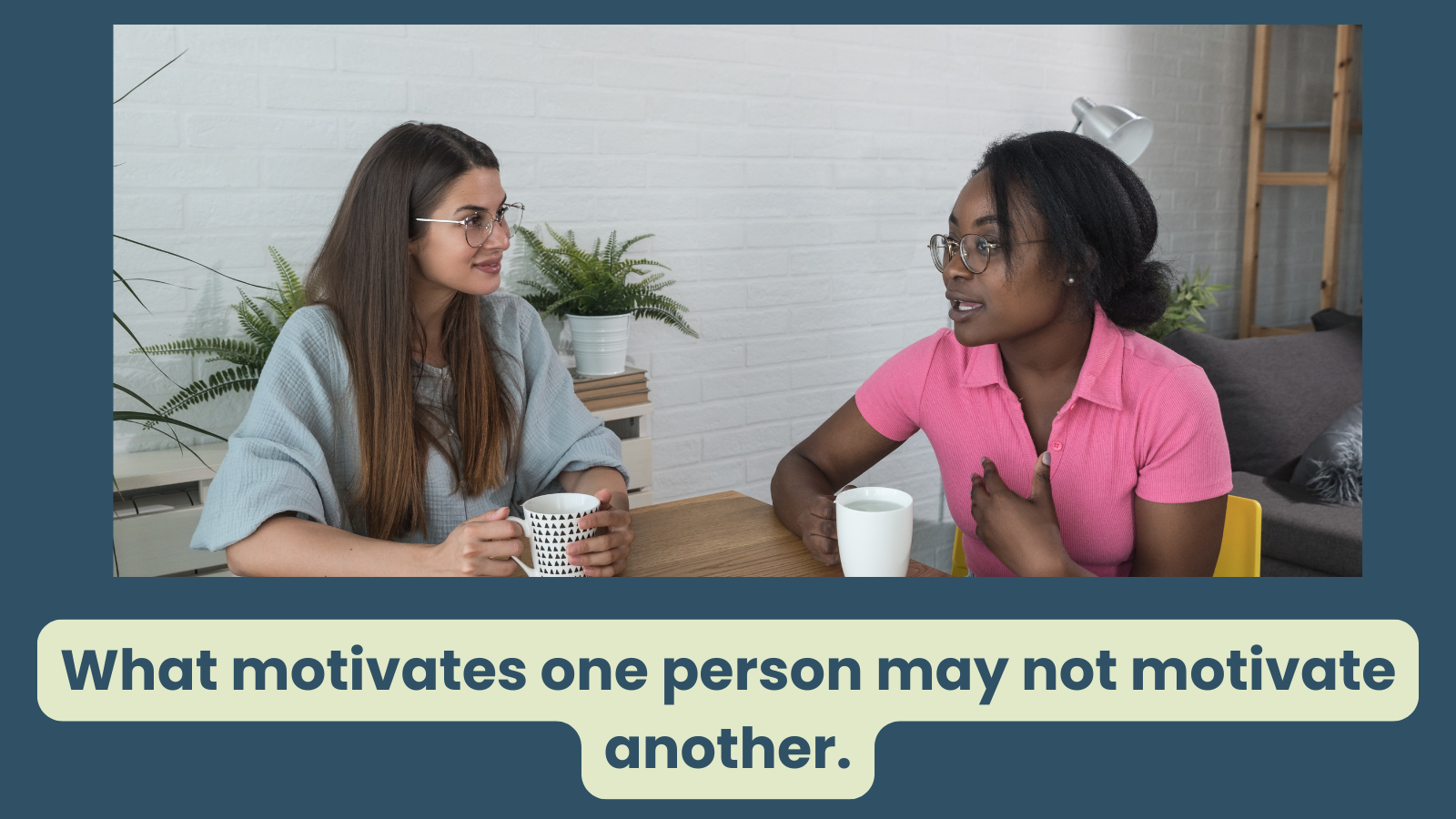
Great leadership isn’t about treating everyone the same. It’s about understanding what helps each person do their best work.
Last week, I ran what I call a Team Pulse Check for a client. Think of it like a check-up for how a team is really operating beneath the surface.
In my debrief with the team leader, her frustration surfaced. She just couldn’t get one of her team members to work “the way she liked to operate.”
The team member was always looking to prove herself - clocking in extra early (and making sure it was noticed), seeking reassurance and regularly looking for guidance. Even though the leader occasionally told her she was doing a good job, it wasn’t cutting through.
For the leader, the work was straightforward. For her team member, it was something else entirely.
The A-ha Moment
When we looked at the team member’s PRINT profile, it suddenly made sense. Her unconscious motivators meant she needed:
Clear guardrails
Frequent acknowledgement
Regular interaction
These were things the leader hadn’t realised she wasn’t providing in the way this person needed.
Leadership Isn’t About Sameness
When the leader asked if I could coach the team member, I gently turned the question back:
“What if you adjusted your approach?”
Because in my view, that’s what makes a good leader — not expecting everyone to adapt to your style but knowing how to adapt yours to bring out the best in them.
Yes, it takes more thought. But it pays huge respect and trust dividends.
A New Way to Connect
Together, we rehearsed a different style of 1:1 conversation — one that:
Explored how connected this team member felt to her work
Openly compared working styles
Created a firmer foundation for focusing on results instead of constantly proving worth.
The Bigger Lesson
Sometimes, motivation isn’t about pushing harder. It’s about lifting the lid and understanding what’s driving behaviour in the first place.
So here’s a question for you:
👉 How well do you understand what truly motivates each of your team members?
Three Quick Questions to Uncover Motivation
Try weaving these into your next 1:1s:
“When do you feel most energised in your work?”
→ Reveals intrinsic motivators.“What’s one thing that would make your work easier or more enjoyable right now?”
→ Uncovers friction points you may not see.“If you could design your perfect workday, what would it look like?”
→ Shows preferred working style and priorities in action.
If you put these into play, I’d love to hear how your conversations fared — did it make a difference?
Key Takeaways
Motivation is personal — different people need different levels of autonomy, recognition, interaction and structure.
Behaviour that frustrates a leader may make more sense once they understand what is driving it.
Strong leaders adapt their approach rather than expecting every team member to work exactly as they do.
Regular 1:1 conversations can uncover what energises people, where they are experiencing friction and how they prefer to work.
Understanding individual motivators can strengthen trust, connection and performance.